
If your gums bleed when you brush and floss, it might not just be because you’re brushing too hard. Bleeding gums are one of the most common symptoms of gum disease. Gum pain, sore gums, and gum bleeding are often present in patients with gingivitis, an early stage of gum disease. Chester Springs dentist Dr. Jason Petkevis treats bleeding gums, gum disease, and gingivitis through a wide range of general dentistry treatments and dental concerns.
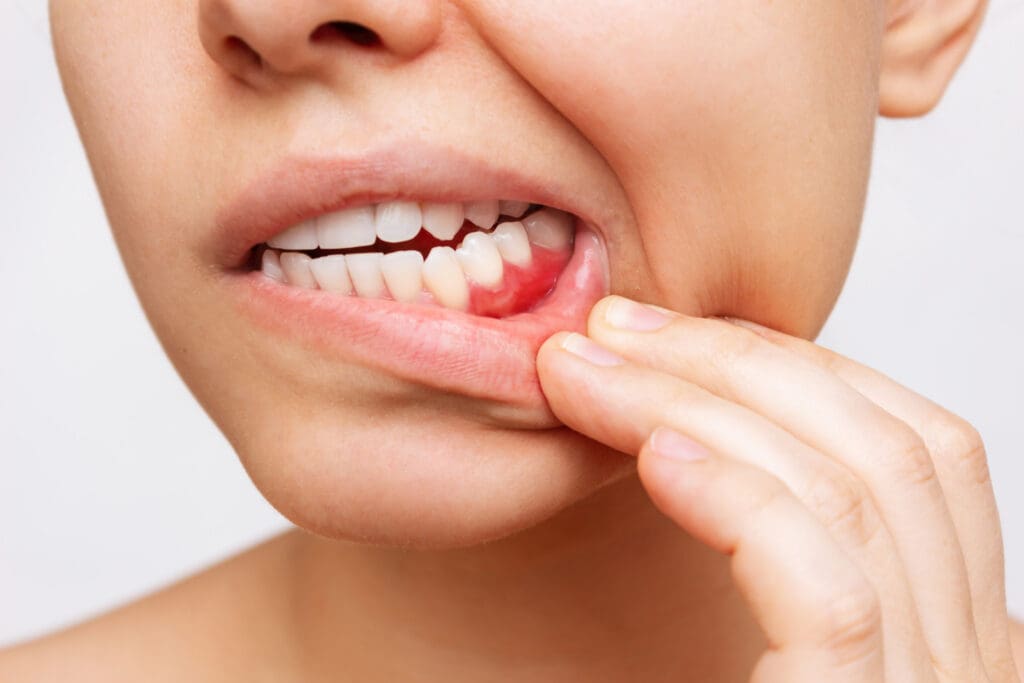
What Causes Bleeding Gums?
Many people believe bleeding gums is a sign of good brushing. However, gums shouldn’t bleed when you brush! Bleeding gums are often caused by plaque build-up along the gum line. Plaque can build up in the gum pockets and harden into tartar. Brushing or flossing can irritate sensitive gum tissue and cause bleeding or soreness.
Bleeding gums are also common during pregnancy because of hormonal changes. Pregnant women should keep brushing and flossing but be extra gentle around sensitive gum tissue to prevent bleeding. It is also important to keep routine dental visits during pregnancy to monitor gum health.
Other causes of bleeding gums can include:
- Brushing aggressively: If using a hard toothbrush, try switching to a soft toothbrush. Sometimes, patients don’t realize they’re pressing too hard with their toothbrush, which can easily cause gum irritation and bleeding. You are scratching your gums and leaving microscopic cuts that can let bacteria into your bloodstream. In this case, your gums bleed to clog the cuts and prevent infection.
- Medication side effects: Talk to your primary healthcare provider about whether any medications you are taking can cause this issue. If so, consider switching to a different medication.
- Vitamin deficiencies: Are you eating a balanced, healthy diet? To maintain strong and healthy oral health, consider the foods you eat. Brush your teeth at least twice daily, and remember to use mouthwash.
Treatment for Bleeding Gums in Chester Springs, PA
A dentist should always coordinate treatment for bleeding gums. Do not use over-the-counter medications without a dentist’s advice. Dr. Petkevis can diagnose and treat your bleeding gums with periodontal therapy. This may include cleaning teeth and gums, scaling, and root planing.
If your bleeding gums are a symptom of gingivitis, he will perform extensive cleaning. If you suffer from gum disease, Dr. Petkevis will perform scaling and root planing procedures and, in extreme cases, periodontal surgery. We do our best to start with the most conservative, less-invasive treatments before recommending oral surgery.
Dr. Petkevis is among the few dentists in Philadelphia who use advanced dental lasers to treat bleeding gums and gum disease. Laser dentistry helps reduce the risk of infection, minimize pain, inhibit blood loss, and speed up patient recovery time.
How to Prevent Bleeding Gums
Bleeding gums can be a sign that something’s not right with your oral health, but there’s a lot you can do to prevent it. Here’s how to keep your gums healthy and stop the bleeding:
- Brush your teeth twice a day with a soft toothbrush. Angle the bristles toward the gum line at a 45-degree angle. Avoid brushing too vigorously.
- You should floss daily to remove food and plaque between teeth. If flossing is tough or hurts, try a water flosser instead.
- Use a mouthwash that fights germs to keep your mouth clean. Using mouthwash once a day will lower your risk of having gums that bleed.
- Consuming healthy foods like fruits, veggies, and whole grains also helps. Stay away from sugary snacks and drinks, as they can harm your gums.
- If you smoke, quitting is one of the best things you can do for your gums. Smoking makes it harder for gums to heal.
- Make sure you drink plenty of water to keep your mouth moist, which is good for gum health.
- Visit your dentist every six months for check-ups and cleanings. They can spot problems early and give your teeth a deep clean.
If bleeding doesn’t stop after a week of good care and following these tips, schedule an appointment with Dr. Petkevis. He can help figure out if there’s a bigger issue.
Bleeding Gums FAQs
Bleeding gums can be alarming, whether it happens while brushing, flossing, or even spontaneously. Many people wonder if it’s something to worry about or just a minor issue. We’ve compiled the most frequently asked questions about bleeding gums to help you understand the causes, when to seek help, and how to prevent it.
I brush my teeth every day, but my gums still bleed! Why are they bleeding?
Your brushing technique may need refinement. If you are not brushing the gum line areas regularly, plaque can build causing inflammation. When the brush encounters inflamed tissue, bleeding can occur. Also, brushing too hard can injure the tissue.
Also, make sure you are using a soft-bristled toothbrush. Take your time, and don’t rush. Replace your toothbrush every three months, and brush your gum line gently. If your bleeding gums are still a concern, please discuss them with Dr. Petkevis at your next routine appointment.
Does my diet affect my gum health?
Yes! If your diet lacks certain vitamins or nutrients, your gums may be more susceptible to infection and gum disease. This may cause your gums to become swollen, inflamed, tender, and bleed. Eating a well-balanced diet will help support your gum health.
What is the most common cause of bleeding gums?
Most of our patients who suffer from bleeding gums have some form of gum disease. Gum disease is caused by a build-up of plaque and tartar on the teeth along the gum line. This is the direct result of not properly caring for your teeth. T
To avoid plaque and tartar buildup on your teeth, you should brush your teeth properly twice a day, floss at least once a day, and visit Dr. Petkevis regularly for oral health and wellness visits.
Can a salt water rinse help bleeding gums?
A warm salt water rinse can reduce gum inflammation. While saltwater rinses won’t cure bleeding gums, they can address painful and swollen gums. Saltwater rinses can also help reduce the number of harmful bacteria in the mouth.
When should I visit the dentist to treat bleeding gums?
If you notice bleeding when you brush or floss, visit the dentist. Dr. Petkevis will examine your gums to find the cause of the bleeding. Even if you have early signs of gum disease, removing harmful bacteria will prevent tooth loss and help improve overall health.
What happens if I don’t treat bleeding gums?
If you have bleeding gums due to gingivitis and don’t receive treatment, your gum health can worsen. As gum disease progresses, you can experience increased gum sensitivity, deep gum pockets, and swollen gums. You may even lose permanent teeth if you do not treat gum disease. Inflammation can also travel through the bloodstream and affect other body parts, including the heart.
What type of toothbrush, toothpaste, and floss should I use to prevent bleeding gums?
To prevent bleeding gums, we suggest using a soft-bristle toothbrush. Compared to other toothbrushes, this one is gentler on gums. Pick a fluoride toothpaste to fight germs and keep teeth strong. For floss, we suggest using waxed or unwaxed. Use whatever slides easily between your teeth.
If regular floss is hard to use, try a water flosser. These tools help remove plaque and food bits, keeping your gums healthy and less likely to bleed. Always be gentle when brushing and flossing to avoid harming your gums.
Stop Bleeding Gums Today
If you have bleeding or sore gums, schedule a consultation with Chester Springs, PA, dentist Dr. Jason Petkevis for a periodontal screening to check for signs of gum disease. Call 610-904-9274 or schedule an appointment online today.